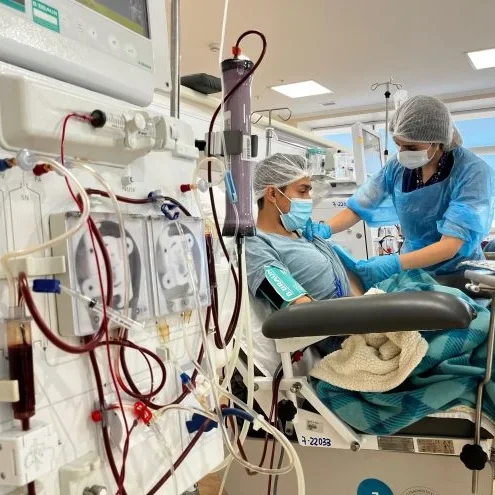
Industries / Hospitals and dialysis centers
When water quality is critical, engineering makes the difference
We develop end-to-end water treatment solutions for hospitals and dialysis centers, tailored to each facility’s needs and aimed at maintaining water quality, operational reliability and compliance with applicable technical and sanitary requirements.
- Water treatment for healthcare applications
- Engineering and installation of distribution systems
- Specialized operation and maintenance
< 0.25 EU/mLEndotoxins in dialysis water, ISO 23500-3
Water is a critical input in hospital and dialysis processes
Water quality directly affects the safety of certain clinical applications, equipment performance and the operational continuity of facilities.
Did you know?Water quality doesn’t depend on treatment technology alone. Pretreatment, distribution design and sanitization conditions are also decisive in maintaining it.
- Microbiological contaminationBiofilms in tanks and pipes can promote microbial growth and compromise water quality.
- Chemical contaminantsChlorine, chloramines and certain metals can pose risks to sensitive applications if not properly controlled.
- Variations in water qualityChanges in feed water composition can affect treatment performance and require operating adjustments.
- Risk of recontaminationInadequate storage or distribution can degrade water quality after treatment.
Water quality and applicable requirements
We design water treatment systems considering the technical and sanitary requirements of each application, from dialysis units to hospital processes that require water of a specific quality.
Water for hemodialysisTreatment designed to meet the quality requirements of water used in dialysis procedures.
Purified water and water for injectionSolutions for hospital, pharmaceutical and laboratory processes, depending on the intended use.
Applicable sanitary requirementsWe consider the regulations that apply to each facility and country.
Technology selection and control parameters are defined according to the feed water characteristics and each project’s needs.
An end-to-end system, from water source to point of use
Every stage counts. Properly designed treatment makes the difference.
1
Pretreatment
Reduces particles, hardness and oxidizing agents that can affect the performance of later stages.
2
Membrane technology
Reduces colloids, dissolved salts and other contaminants to reach the quality the process requires.
3
Complementary treatment
Adds further technologies depending on the water characteristics and the required quality level.
4
Storage and distribution
Sanitary system design to preserve treated water quality all the way to the points of use.
5
Monitoring and control
Tracking of operating parameters to identify deviations and make system control easier.
Specialized technology for water that demands the highest quality
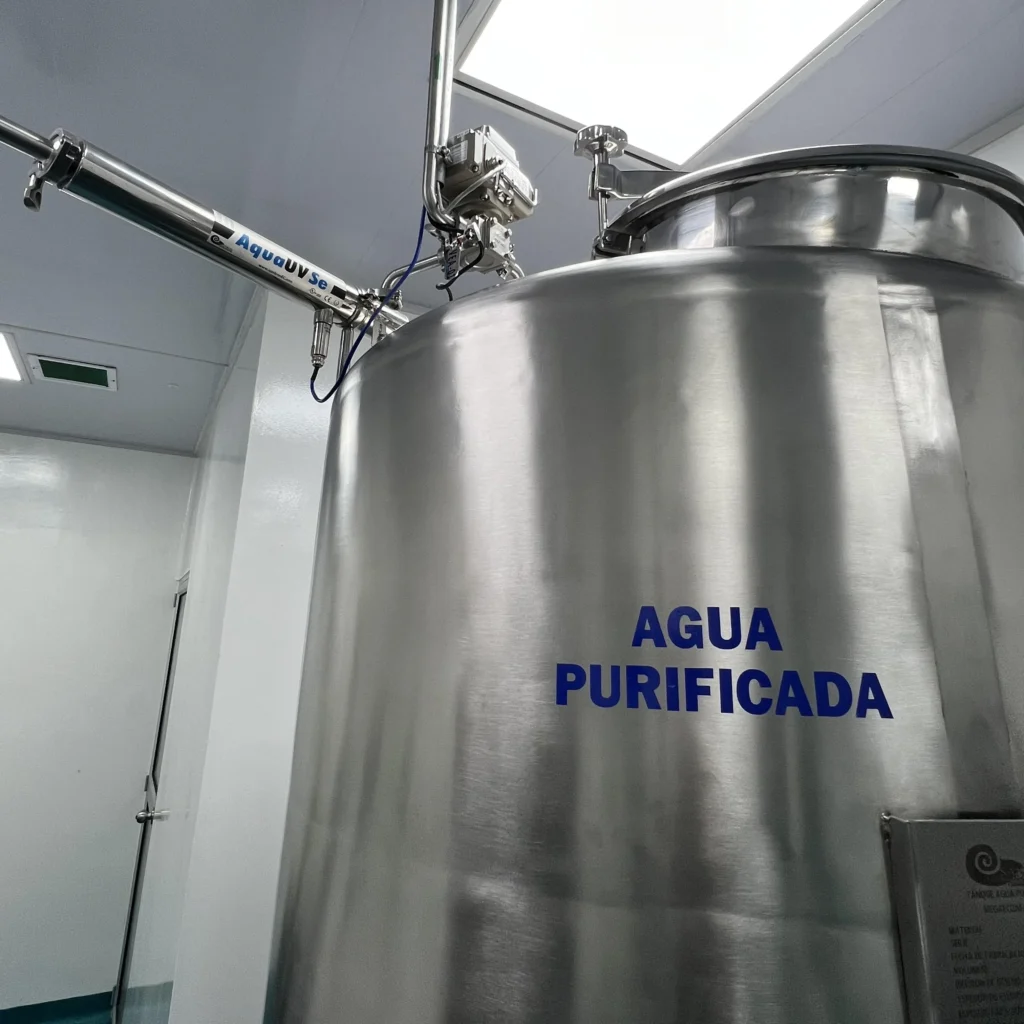
Purified water (PW) and water for injection (WFI) to USP
Solutions for hospital and pharmaceutical applications based on process requirements.
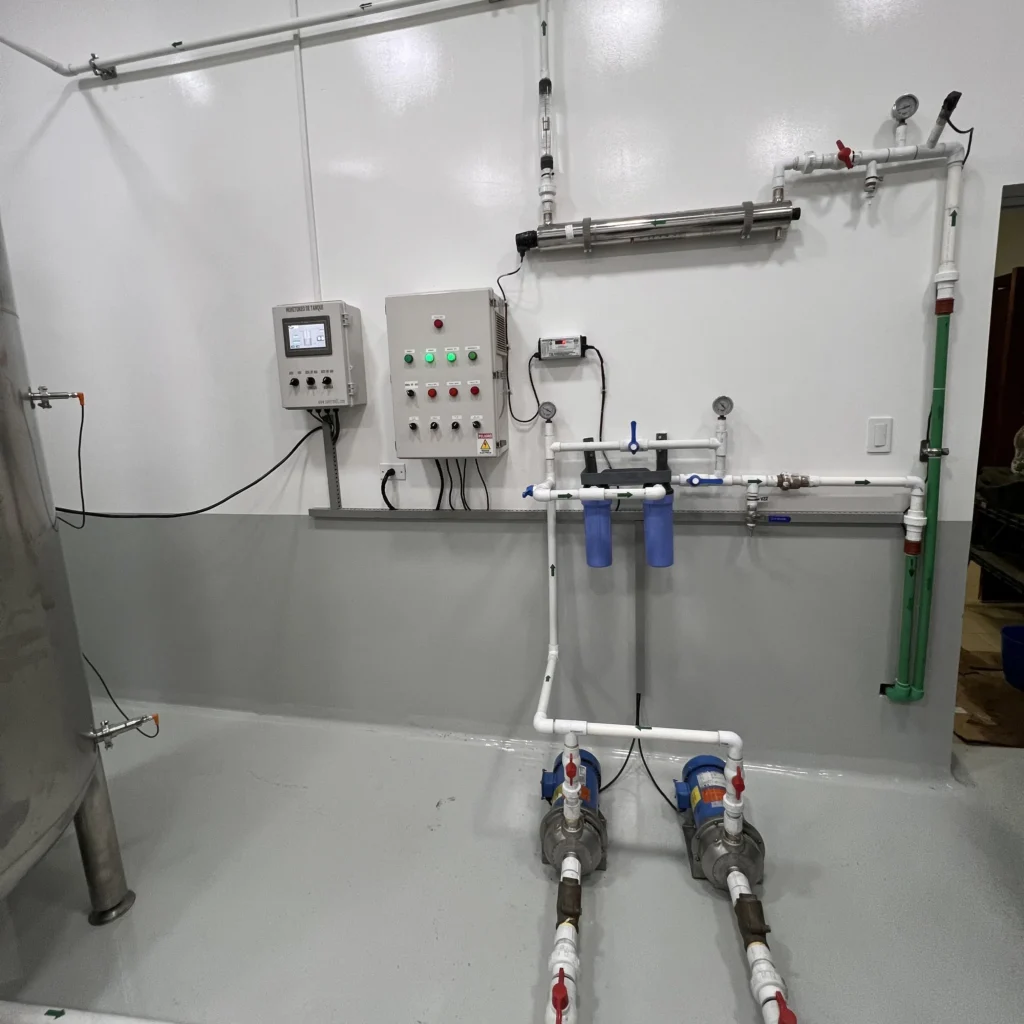
Storage and distribution
Systems designed to preserve treated water quality all the way to the points of use.
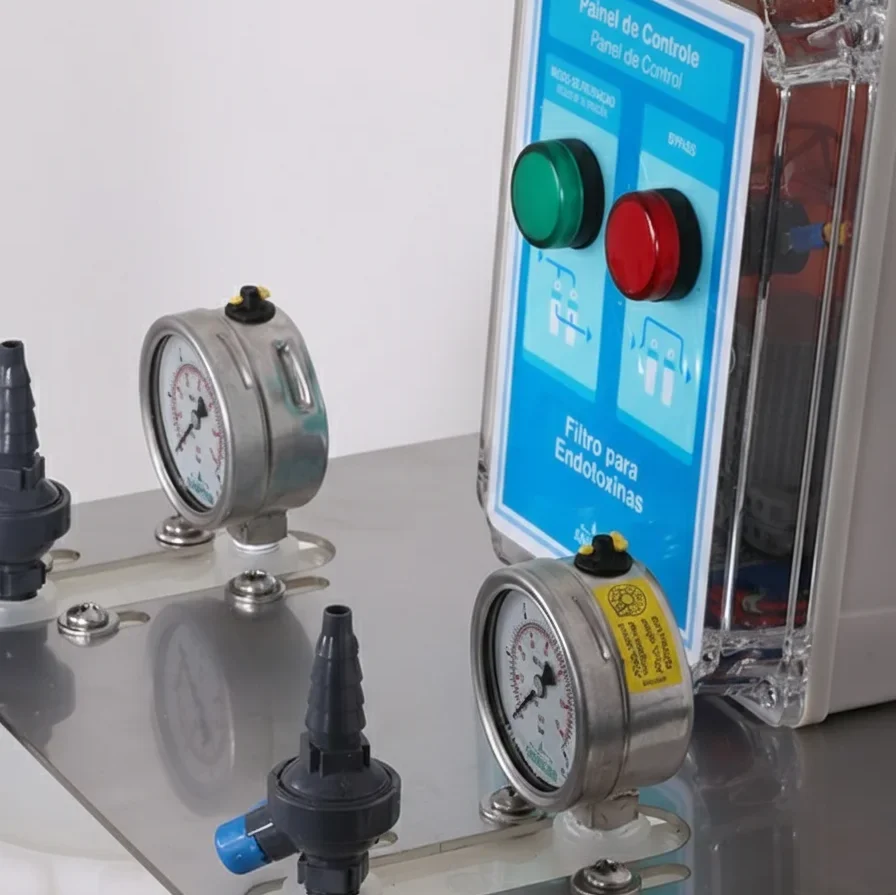
Endotoxin removal and control
Technology for removing and controlling endotoxins in dialysis water systems.
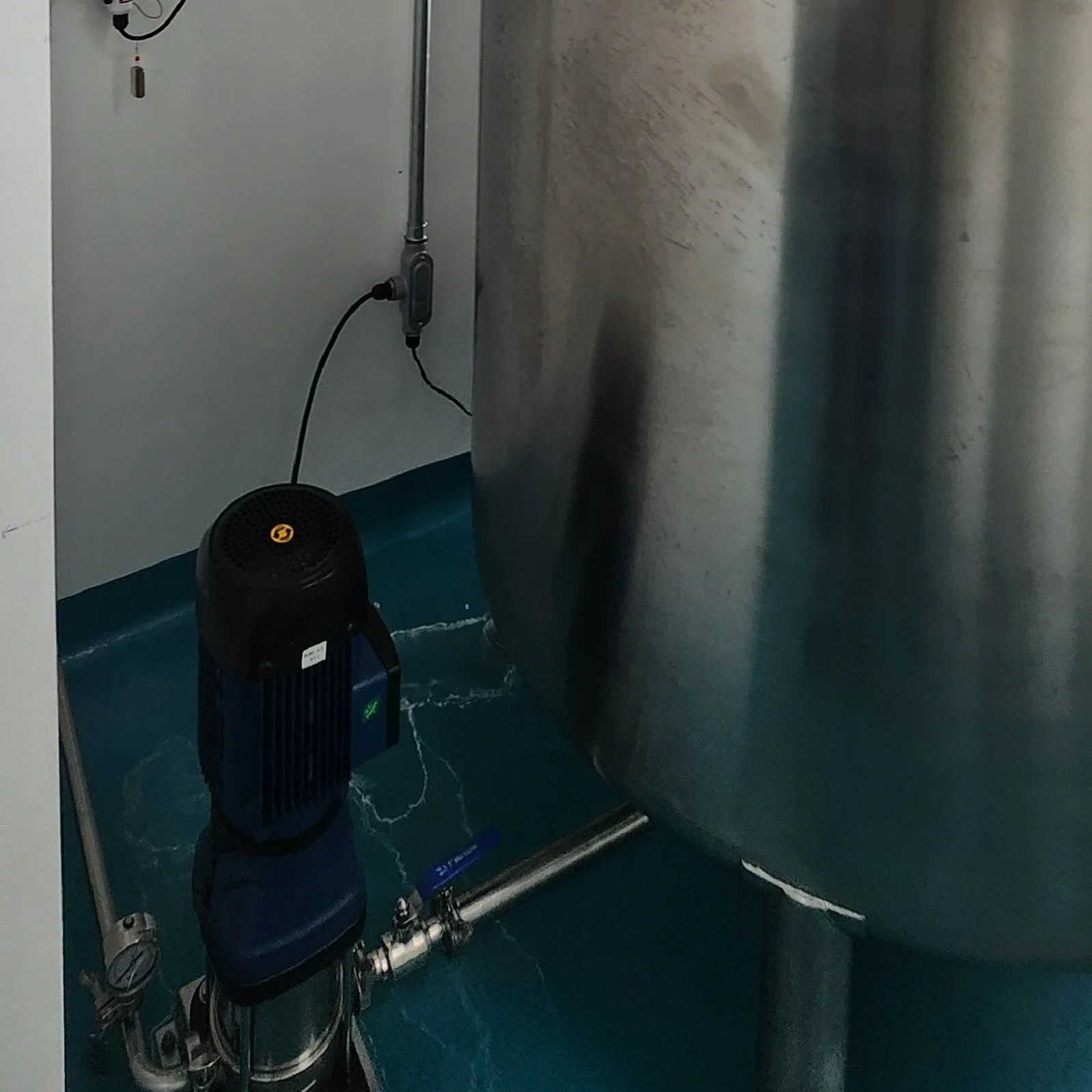
Bicarbonate and acid dilution and mixing
Automated systems to prepare and distribute the bicarbonate and acid concentrates used in dialysis.
Does your water treatment system meet quality requirements?
We evaluate your system’s operating conditions, review the available analytical results and identify improvement opportunities.
Check the key aspects of your dialysis water system
See the technical points worth reviewing to assess your system’s condition and spot possible improvement opportunities.
- Total chlorine checked before every shift
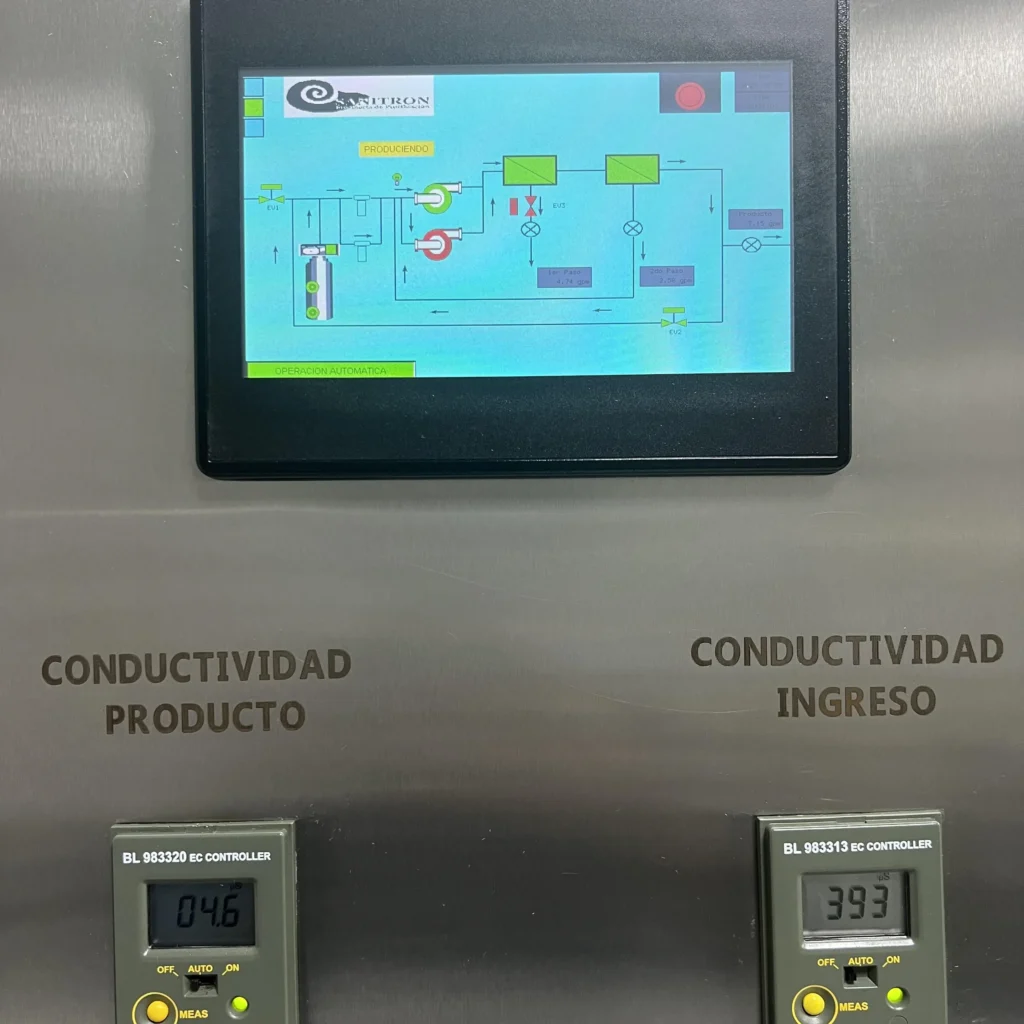
- Reverse osmosis conductivity and rejection measured online
- Pressures and flows within the operating range
- Bacterial count below 100 CFU/mL
- Endotoxins below 0.25 EU/mL
- Loop with continuous recirculation and no dead legs
- Thermal or chemical sanitization at the validated frequency
- Cartridges, UV lamps and activated carbon replaced on time
Frequently asked questions
What water treatment systems does a hospital or dialysis center need?
It depends on the service. Dialysis requires water compliant with ISO 23500 (pretreatment, activated carbon, reverse osmosis and a sanitary loop). Sterilization, laboratory and pharmacy need demineralized or purified water per their standard, defined from the feed water analysis.
How is water quality ensured in hospital applications?
With online monitoring of conductivity, reverse osmosis rejection, pressures and flows, plus total chlorine checks before every shift. This is complemented by periodic testing for bacteria (< 100 CFU/mL) and endotoxins (< 0.25 EU/mL), per ISO 23500.
How is microbiological contamination controlled in water systems?
By preventing biofilm: loops with continuous recirculation, no dead legs and sanitary materials (PEX, PVDF or 316L stainless steel). Barriers such as UV and endotoxin filters are added, along with periodic thermal or chemical sanitization.
What solutions are there for producing purified water in hospitals?
The typical train combines multimedia filtration, softening, activated carbon and single- or double-pass reverse osmosis. Depending on the required quality, electrodeionization (EDI), UV, ozone or final ultrafiltration is added.
Can an existing water treatment system be upgraded?
Yes. A technical audit evaluates membrane performance, the distribution loop and ISO 23500 compliance. From there, improvements such as double-pass reverse osmosis, thermal disinfection or PLC automation are defined.
What maintenance do hospital water treatment systems require?
Daily checks of chlorine, hardness and conductivity; monthly microbiological testing; and periodic replacement of cartridges, UV lamps and activated carbon. Membranes are cleaned (CIP) based on their performance, and the loop is sanitized at the validated frequency.
Water quality starts with a well-designed solution
Tell us about your hospital or dialysis center and get technical advice to identify a water treatment solution that fits your needs.
Contact us
Office in EcuadorDe los Eucaliptos E8-70 y calle E9, Quito 170307
Phone numbers+593 99 871 1330
+593 2 280 8126
Emailinfo@sanitronec.com
Business hoursMonday to Friday
9:00 to 12:00 and 13:00 to 18:00
Office in the United States9995 NW 9th St. Circle, Suite 3, Miami, FL 33172
+1 786 972 2008