Industries / Textile industry
Water defines the quality of your textiles. Engineering makes the difference.
In the textile industry, water quality directly affects dyeing uniformity, finishing precision and production efficiency. We design treatment solutions tailored to each operation, from process water conditioning to effluent treatment.
- Dyeing and textile finishing
- Boilers and cooling systems
- Textile effluent treatment
- Engineering, installation and maintenance
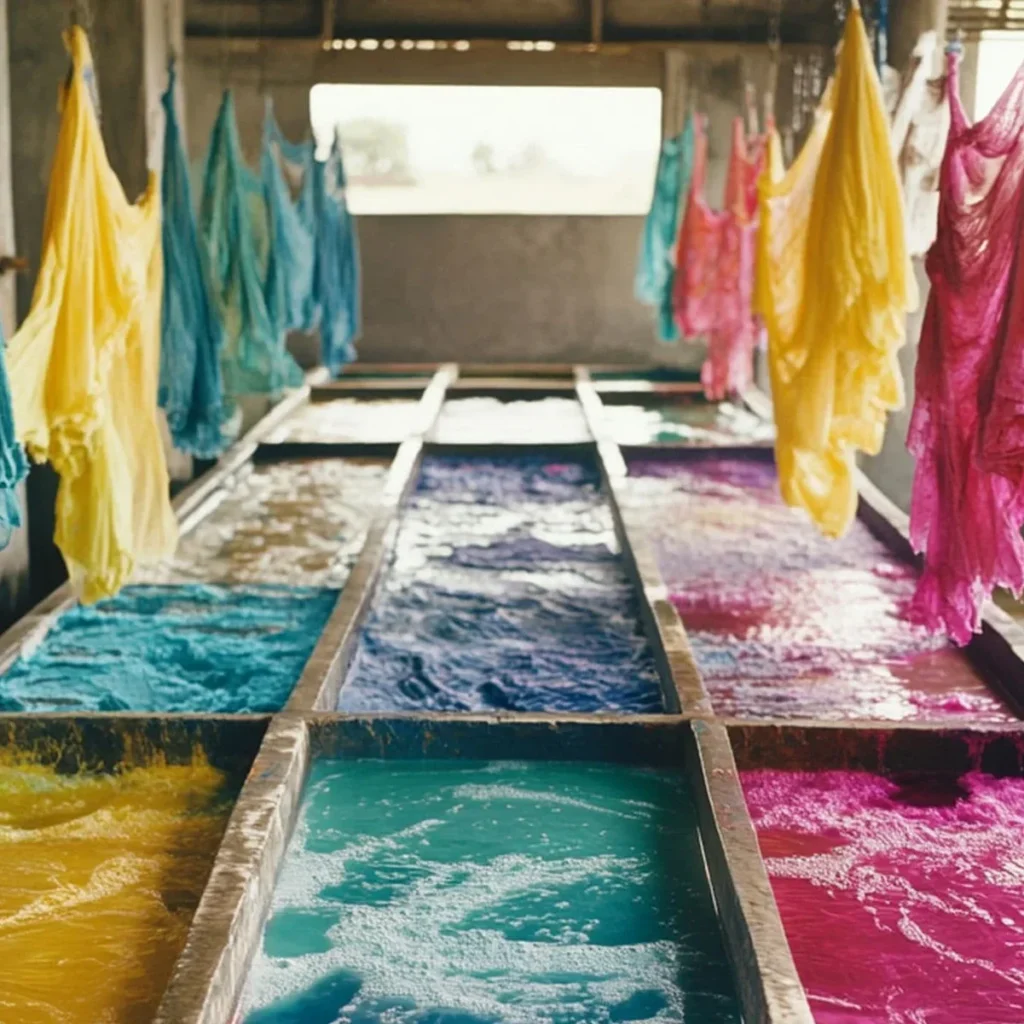
QualityUniform dyeing
EfficiencyOptimized processes
ProtectionEfficient equipment
SustainabilityWater reuse
Water as a critical factor in textile production
Water quality affects dye bath stability, finishing uniformity and industrial equipment performance. Variations in its composition can cause product defects, raise operating costs and make effluent control harder.
Did you know?The textile industry generates effluents that can contain dyes, salts, sulfides and other chemical compounds. Treating them properly is essential to control pollution and meet applicable environmental requirements.
- Fabric qualityVariations in dyeing and finishing.
- Process chemistryInterference from salts and minerals.
- Microbiological controlMicroorganisms in the water.
- Equipment protectionScaling and loss of thermal efficiency.
When water makes the difference in textile quality
Water quality directly affects textile process stability, equipment performance and effluent control. Proper treatment reduces operating risks and improves control of process conditions.
| Without proper treatment | With proper treatment |
|---|---|
| Variations in dyeing | More uniform dyeing |
| Equipment scaling | Scale control |
| More corrective maintenance | Planned maintenance |
| Discharge risks | Treated effluents |
What water your operation needs and what we control
Water quality is defined for each stage of the textile process: dyeing, finishing, boilers, cooling and cleaning. That’s why we evaluate the parameters that affect product quality, equipment efficiency and environmental compliance.
| Parameter | Control objective | Why it matters |
|---|---|---|
| Total hardness | Low and stable level, depending on the process | Prevents scaling and loss of thermal efficiency. |
| Iron and manganese | Concentrations compatible with the process | Prevents stains and color changes in fabrics. |
| Turbidity and color | Low and stable levels | Supports uniform finishing. |
| pH | Range defined by the process | Affects the effectiveness of dyes and chemical auxiliaries. |
| Dissolved salts and conductivity | Values according to process requirements | Helps prevent interference with chemical reactions. |
| Effluent quality | Compliance with applicable discharge limits | Supports environmental compliance and allows reuse options to be evaluated. |
A treatment train adapted to each textile process
Each treatment stage plays a specific role in conditioning water to operating requirements, protecting equipment and managing effluents properly.
1
Capture and storage
Control of water storage and supply conditions.
2
Filtration
Sediment retention and reduction of particles, iron and manganese, depending on the water characteristics.
3
Softening
Hardness reduction to prevent scaling in boilers and cooling systems.
4
Reverse osmosis
Reduction of dissolved salts when the quality required by the process calls for it.
5
Chemical dosing and pH control
Control of the water’s chemical conditions to support stable dyeing and finishing processes.
6
Effluent treatment
Conditioning wastewater for discharge in line with applicable requirements and evaluating reuse options.
Solutions for every stage of the textile chain
We adapt our solutions to the needs of each area of the textile industry, considering the required water quality, operating conditions and effluent management.
- Dyeing and finishingConditioned water for dye and rinse baths, supporting color uniformity and finishing quality.
- Spinning and weavingWater treatment solutions adapted to textile production process needs.
- Garment making and industrial laundryWater treatment for fabric washing and finishing operations.
- Boilers and thermal systemsWater hardness control to reduce scaling and protect equipment.
- Cooling towersControl of hardness and microbiological conditions to support system efficiency.
- Textile effluentsWastewater treatment and evaluation of reuse options according to their characteristics and applicable environmental requirements.
Technologies to optimize water treatment in the textile industry
We implement treatment technologies adapted to each textile operation’s needs, aimed at improving water quality, protecting industrial equipment and making effluent management easier.
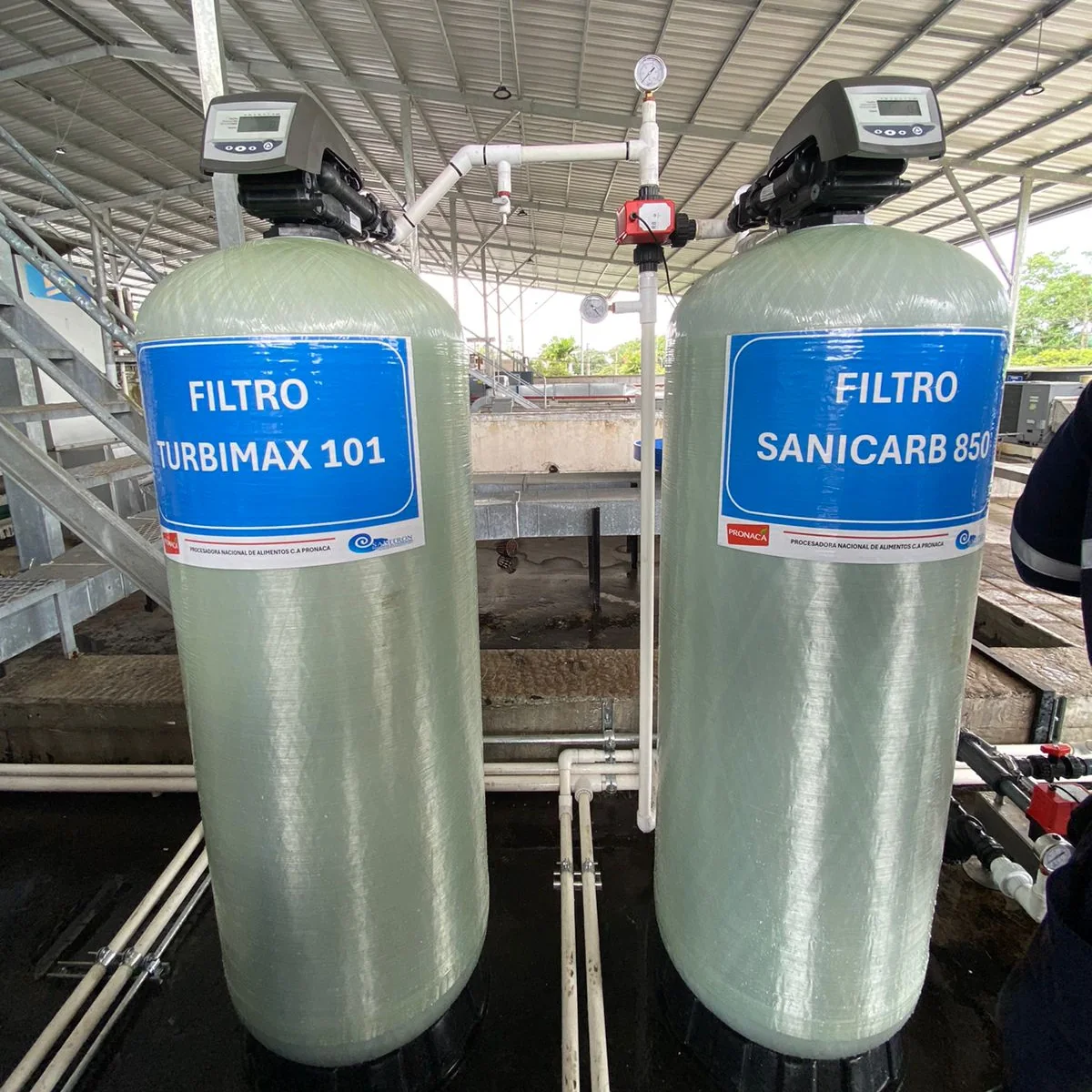
Sediment filtration
Technologies to reduce turbidity and retain particles in the water, depending on the supply source.
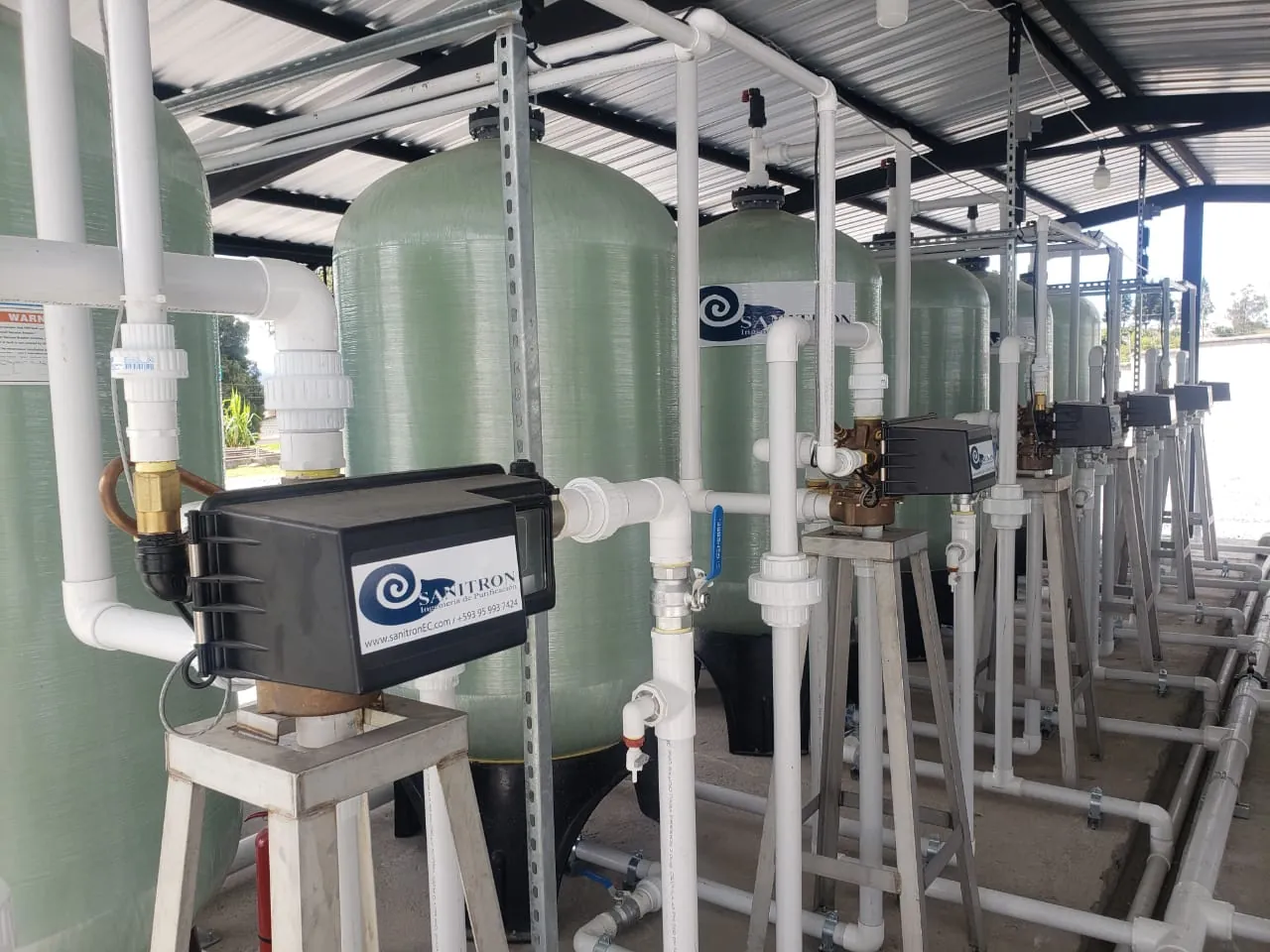
Softening
Technologies to reduce water hardness and prevent scaling in boilers, thermal systems and other industrial equipment.
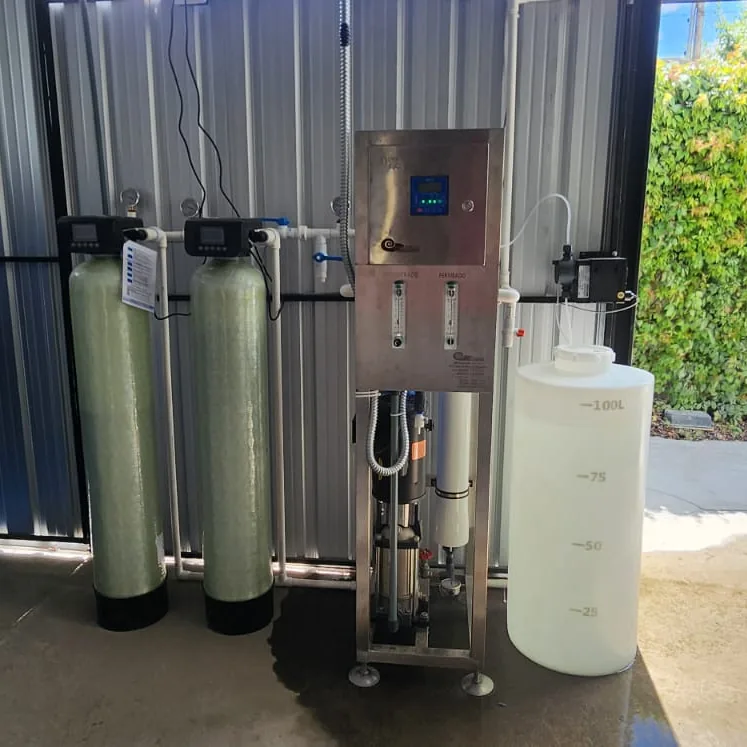
Reverse osmosis
Technologies to reduce dissolved salts and obtain water suited to textile processes that require higher purity.
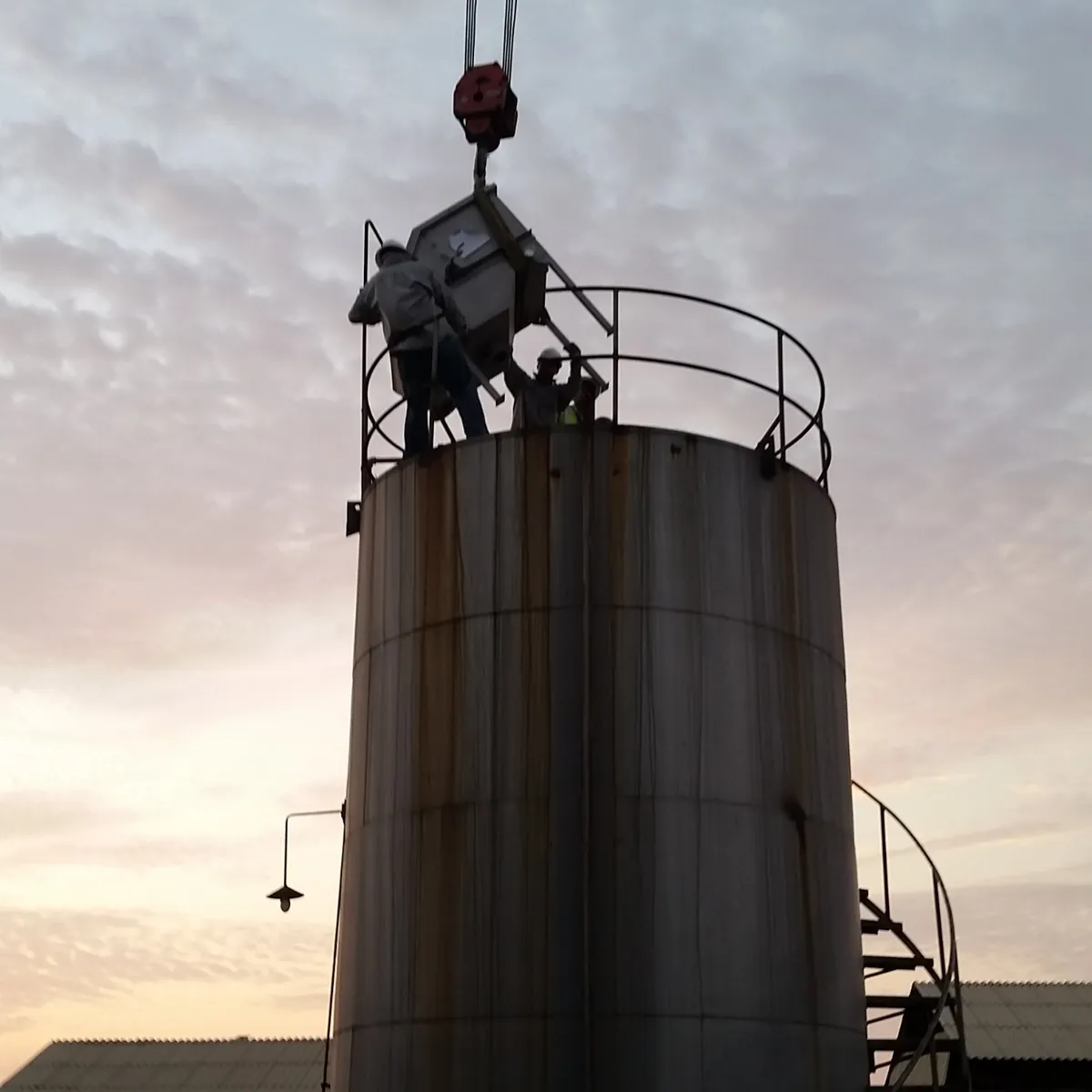
Wastewater treatment
Technologies to condition textile effluents and evaluate reuse options according to their characteristics and applicable environmental requirements.
Frequently asked questions
What water quality does my textile plant need?
It depends on the process stage, such as dyeing, finishing, washing or boiler feed. We evaluate the water characteristics and operating requirements to define the right treatment.
How does water quality affect fabric dyeing?
Hardness, pH and the presence of iron, manganese and dissolved salts can affect color uniformity and finishing quality.
What treatment does water need to prevent scaling in boilers and cooling systems?
Treatment depends on water quality and operating conditions. It may include softening and other conditioning processes to control hardness and reduce scale formation.
Can Sanitron treat textile industry effluents?
Yes. Solutions are defined according to the effluent characteristics, the contaminants present and the applicable discharge requirements or reuse options.
Can water be reused in textile processes?
Yes, reuse options can be evaluated after characterizing the effluent and determining the treatment needed to reach the quality required for the intended use.
How can I find out what technology my plant needs?
Water quality, flows, process stages and operating conditions need to be evaluated. With this information, the most suitable technologies for the facility can be defined.
Boost the quality of your textile processes with the right water treatment
Tell us about your operation and get a technical proposal tailored to your water’s characteristics, your textile process requirements and your plant’s needs.
Contact us
Office in EcuadorDe los Eucaliptos E8-70 y calle E9, Quito 170307
Phone numbers+593 99 871 1330
+593 2 280 8126
Emailinfo@sanitronec.com
Business hoursMonday to Friday
9:00 to 12:00 and 13:00 to 18:00
Office in the United States9995 NW 9th St. Circle, Suite 3, Miami, FL 33172
+1 786 972 2008