Industries / Food and beverage
The right water drives a more efficient and safer food industry
We design and implement water treatment systems tailored to each production process, considering feed water quality, operating conditions and industrial use requirements. Over 40 years of experience in engineering and water treatment.
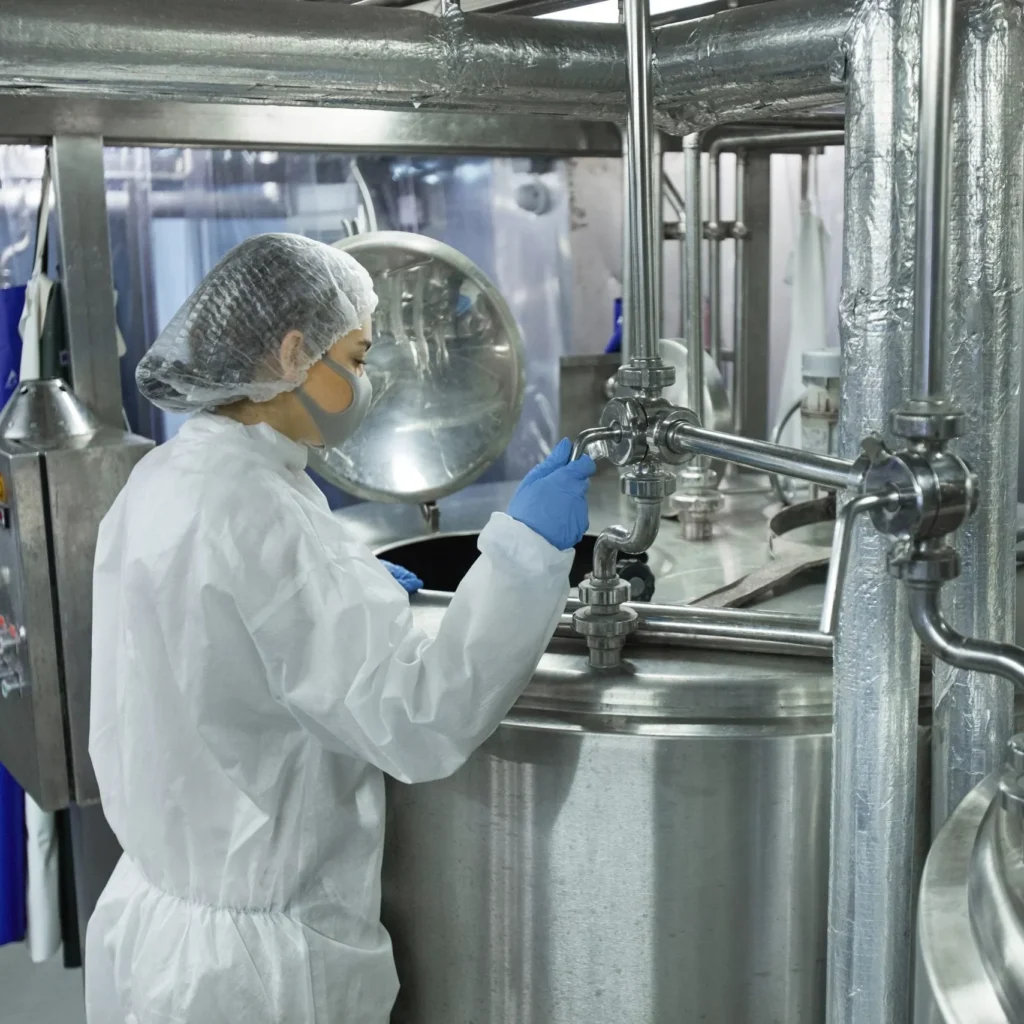
Good Manufacturing Practices (GMP)Water treatment solutions designed to help meet the sanitary requirements that apply to the food industry.
Food safety management systemsSolutions designed to integrate with the plant’s water quality control and monitoring programs.
Water for production and utilitiesTreatment tailored to formulation, cleaning, steam generation and other industrial uses.
Water as a critical factor in production
Water quality affects food safety, product characteristics and the performance of industrial equipment. Variations in its physicochemical or microbiological composition can affect different stages of production, cleaning and utilities.
Did you know?Many water quality problems originate from insufficient pretreatment or distribution networks without microbiological control. That’s why it’s essential to evaluate the system from storage to the point of use.
- Microbiological riskMicroorganisms and biofilm formation in tanks and distribution networks can compromise the hygienic conditions of the process.
- Physicochemical changesResidual chlorine, iron, manganese and organic matter can change the taste, odor, color and other characteristics of the water used in formulation.
- Equipment scalingHardness and salt precipitation can form deposits in boilers, heat exchangers and other equipment, reducing their operating efficiency.
- Operating inefficienciesInadequate treatment can increase water, energy and chemical consumption, as well as cleaning and maintenance frequency.
Water quality to match each process
We define treatment goals based on the water’s physicochemical and microbiological characterization, its intended use and each facility’s operating conditions.
| Control parameter | Purpose |
|---|---|
| Microbiological quality | Control the relevant microbiological indicators according to water use and the process’s food safety requirements. |
| Residual chlorine | Check its concentration or absence according to product, process and installed technology requirements. |
| Total hardness | Reduce scale formation in equipment and thermal circuits. |
| Iron and manganese | Prevent discoloration, scaling, alterations and equipment damage. |
| Dissolved solids and conductivity | Control salt concentration according to formulation and process requirements. |
| Turbidity | Evaluate the presence of suspended particles and the operating conditions of later treatment stages. |
Treatment stages
We design end-to-end treatment systems based on feed water quality, production process requirements and each plant’s operating conditions. The final configuration is defined from the water characterization and the quality goals set for each application.
1
Pretreatment
Removal of solids and particles that could affect the performance of later stages.
2
Catalytic media filtration
Reduction of dissolved iron, manganese and hydrogen sulfide in the water.
3
Specific treatments
Additional technologies when the quality required for production, cleaning or utilities calls for them.
4
Parameter monitoring
Control of parameters such as hardness, residual chlorine and dissolved salts, according to process requirements.
5
Disinfection
Microbiological control using technologies selected for the water’s intended use.
6
Storage and distribution
Evaluation of cisterns, tanks and networks to preserve water quality up to the point of use.
Solutions for every food and beverage subsector
- Beverages and bottlersControl of the quality of water used in formulation, preparation and container rinsing to maintain product stability.
- DairyWater conditioning for CIP cleaning, pasteurization, steam generation and utilities.
- Meat and cured meatsSolutions for supplying water for washing, processing and facility cleaning, with attention to microbiological quality requirements.
- Bakery and snacksControl of the water characteristics that affect formulation, dough consistency and final product quality.
- Breweries and spiritsAdjusting the water’s physicochemical profile to each product’s characteristics and production needs.
- Confectionery and frozen foodsTreatment of water used in formulation, solution preparation, cleaning and production utilities.
Treatment technologies for the food industry
We integrate water treatment technologies based on feed water quality, production process requirements and each application’s quality goals.
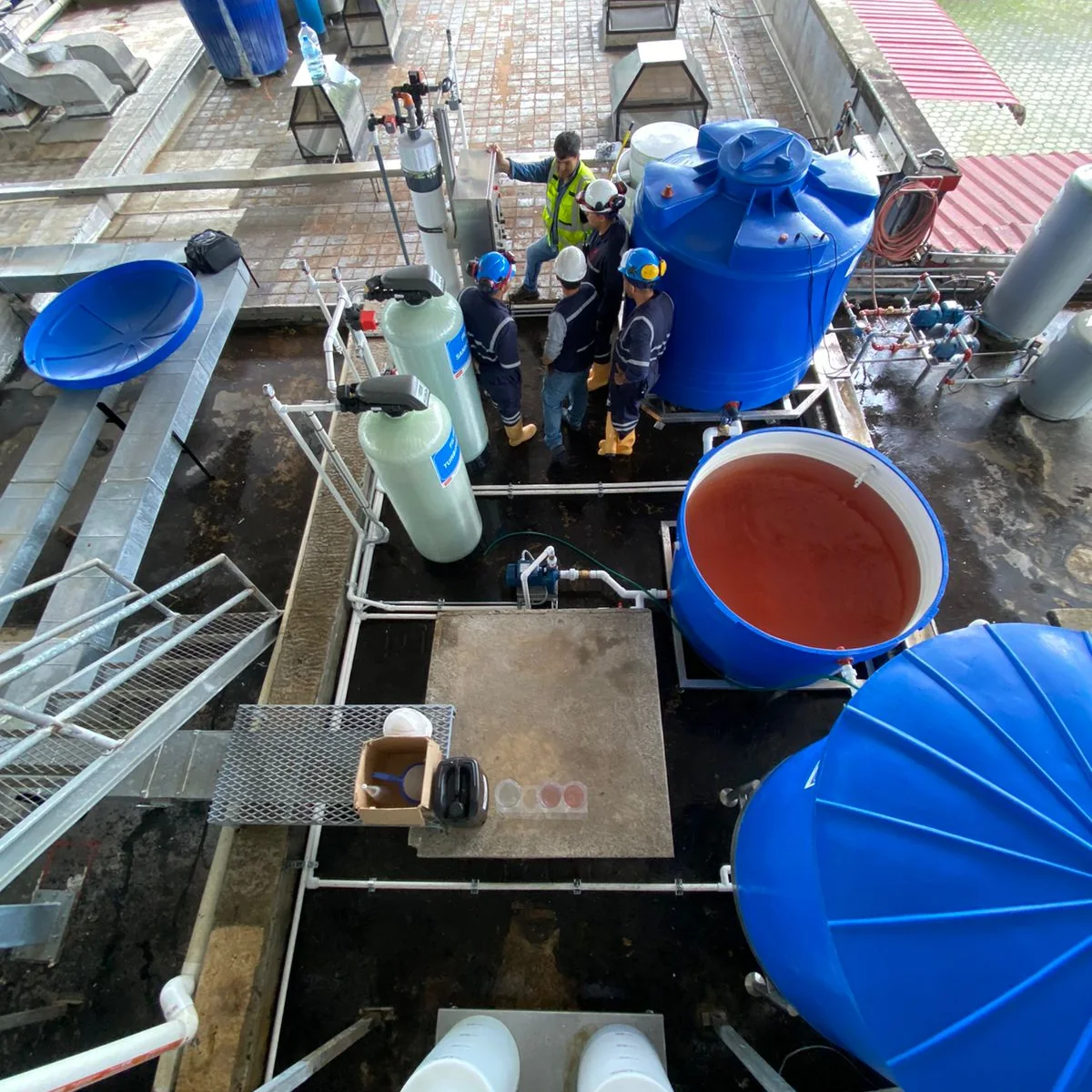
Filtration and conditioning
Technologies to reduce suspended solids, turbidity and hardness, and protect equipment and later treatment stages.
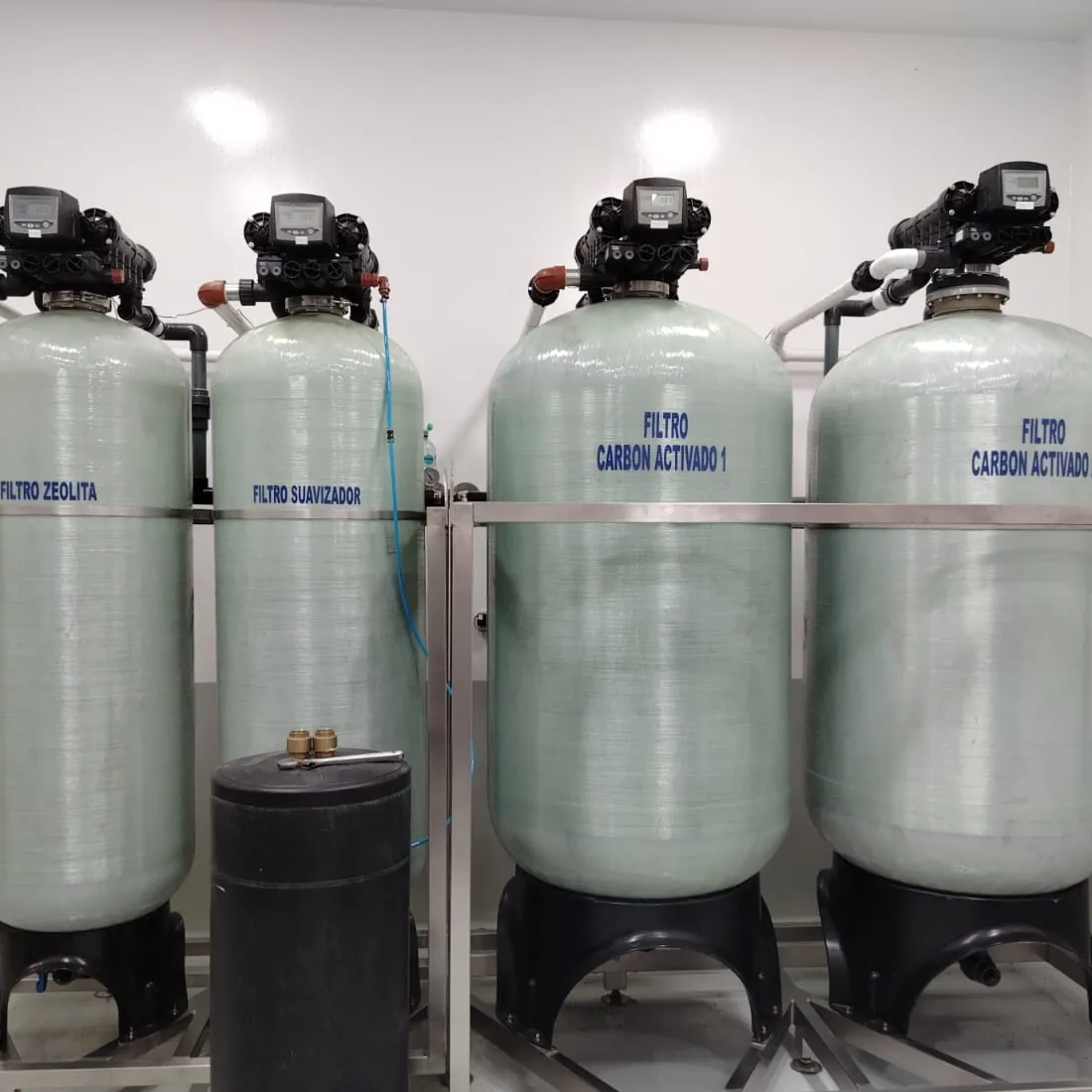
Removal of specific components
Activated carbon reduces residual chlorine, odors and certain organic compounds, depending on the water characteristics.
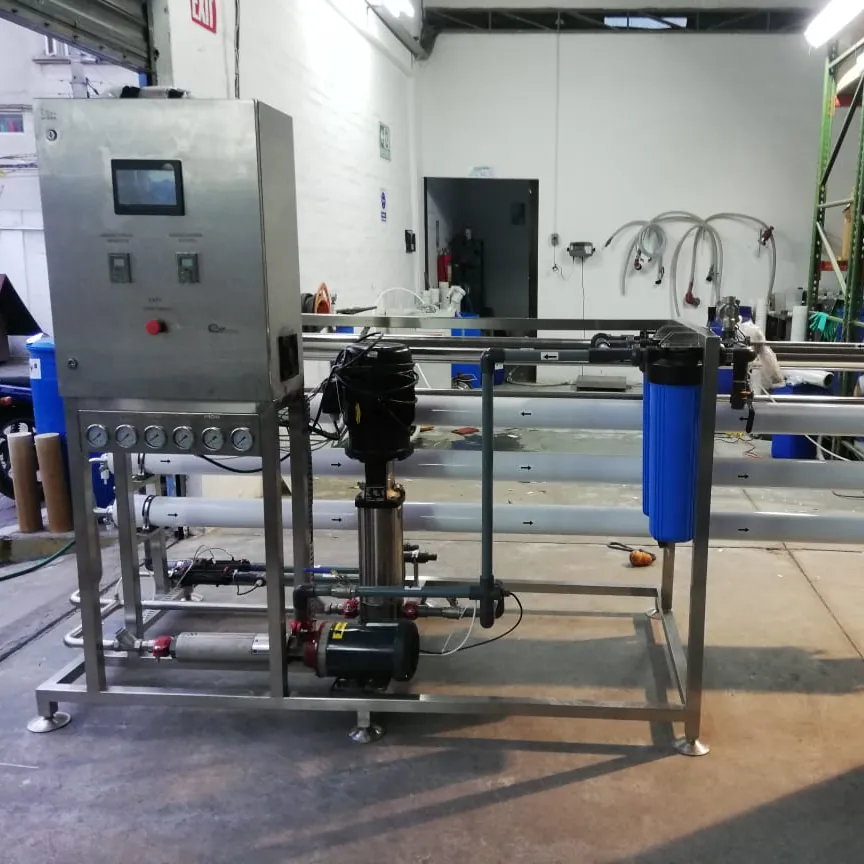
Membrane treatment
Technologies for applications that require specific control of dissolved salts, particles and other components in the water.
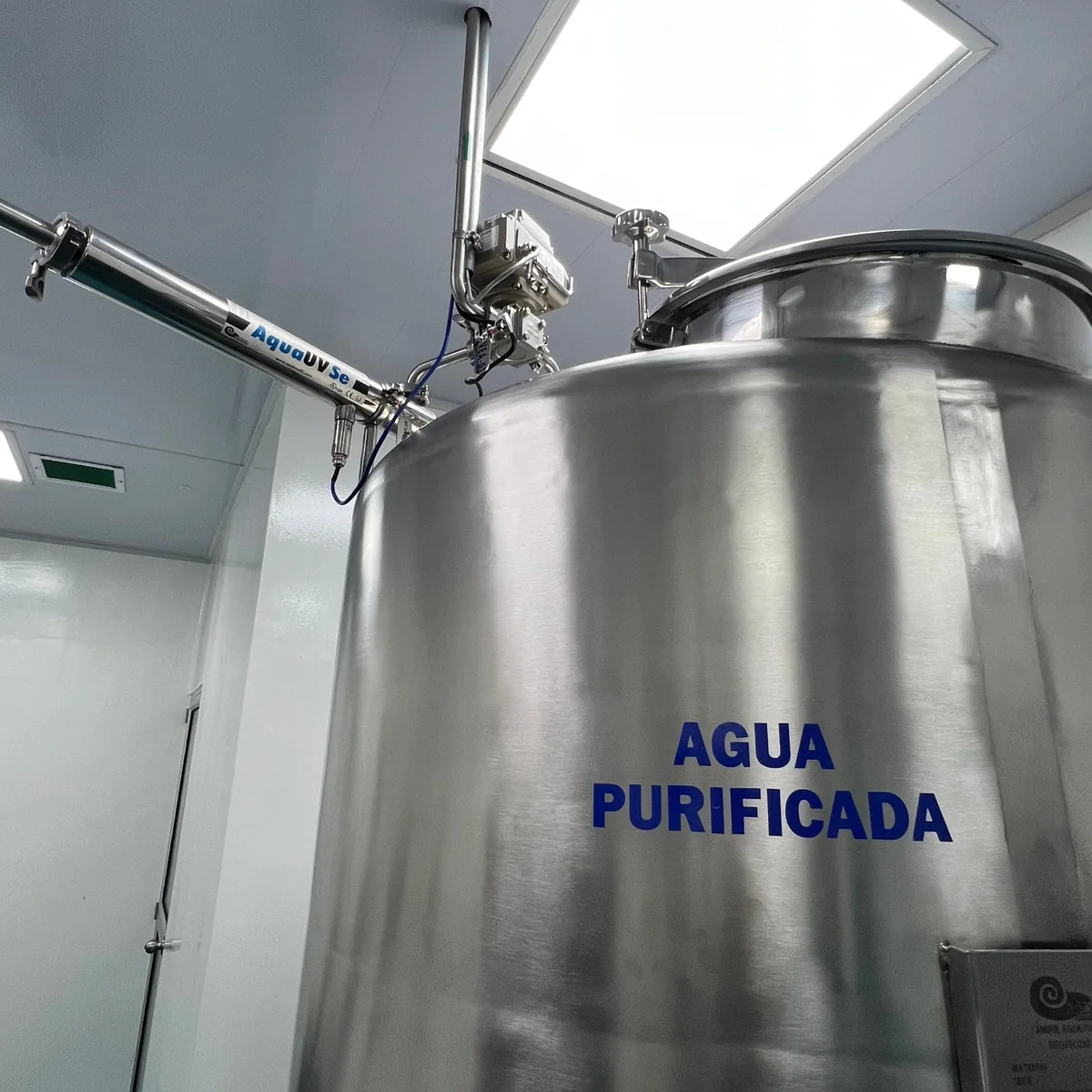
Disinfection
Technologies for microbiological control, selected according to the water characteristics, intended use and process requirements.
Frequently asked questions
What water quality is needed to produce food and beverages?
It depends on how the water is used in the plant. Water used as an ingredient must meet the applicable sanitary requirements and may need additional treatment depending on the product and process.
How does water quality affect the final product?
Salts, residual chlorine, iron, organic matter or microorganisms can alter the product’s taste, odor, color and stability, and compromise its safety.
What treatment does water need for CIP cleaning?
It depends on the water quality and the cleaning process requirements. Proper conditioning helps control scaling and improves CIP system performance.
How is microbiological risk controlled in tanks and distribution networks?
Through microbiological quality monitoring, tank cleaning and disinfection, network maintenance and control measures tailored to each facility.
How often should water be tested in a food and beverage plant?
The frequency depends on water use, identified risks, the quality control plan and applicable regulations. We recommend setting up a microbiological and physicochemical monitoring program specific to each plant.
Can Sanitron optimize an existing treatment system without stopping production?
Yes. We evaluate the installed system and propose improvements to treatment technologies and operating conditions, planning interventions to minimize disruptions to production.
Ensure your product’s safety and consistency, starting with the water
Tell us about your plant and get a technical proposal tailored to your production process requirements.
Contact us
Office in EcuadorDe los Eucaliptos E8-70 y calle E9, Quito 170307
Phone numbers+593 99 871 1330
+593 2 280 8126
Emailinfo@sanitronec.com
Business hoursMonday to Friday
9:00 to 12:00 and 13:00 to 18:00
Office in the United States9995 NW 9th St. Circle, Suite 3, Miami, FL 33172
+1 786 972 2008